
Serialization
Serialization trace refers to the process of tracking the serialization and deserialization of data within a software application or system
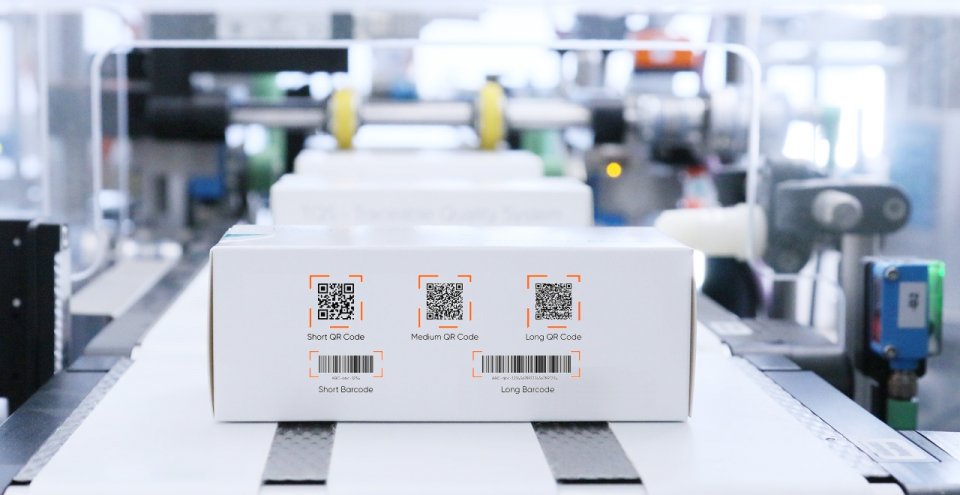 Serialization refers to the process of assigning a unique identifier or serial number to each individual item or product within a batch or production run. This unique identifier allows for the tracking and tracing of the item throughout its entire lifecycle, from manufacturing to distribution and sale. Serialization is widely used in various industries, including pharmaceuticals, electronics, automotive, and consumer goods, to improve product traceability, combat counterfeiting, and enhance regulatory compliance.
Unique Identifier: Each individual item or product is assigned a unique serial number, typically in the form of a barcode, QR code, RFID tag, or alphanumeric code. This identifier is unique to each item and cannot be duplicated, allowing for accurate tracking and identification.
Data Encoding: The unique serial number is encoded into a machine-readable format, such as a barcode or RFID tag. This encoding allows the serial number to be captured and read by scanning devices, such as barcode scanners or RFID readers.
Application: Serialization is typically applied at the point of manufacturing or packaging, where each item is labeled or marked with its unique serial number. This process may involve printing or affixing labels, engraving or etching codes, or embedding RFID tags onto the product or its packaging.
Traceability: Serialization enables organizations to track and trace individual items throughout the supply chain. By scanning the serial number at various points along the supply chain, such as during manufacturing, distribution, and sale, organizations can monitor the movement and location of products in real-time.
Verification and Authentication: Serialization helps combat counterfeiting and ensure product authenticity by allowing consumers, retailers, and regulatory authorities to verify the authenticity of products. By scanning the serial number, stakeholders can confirm that the product is genuine and has not been tampered with.