
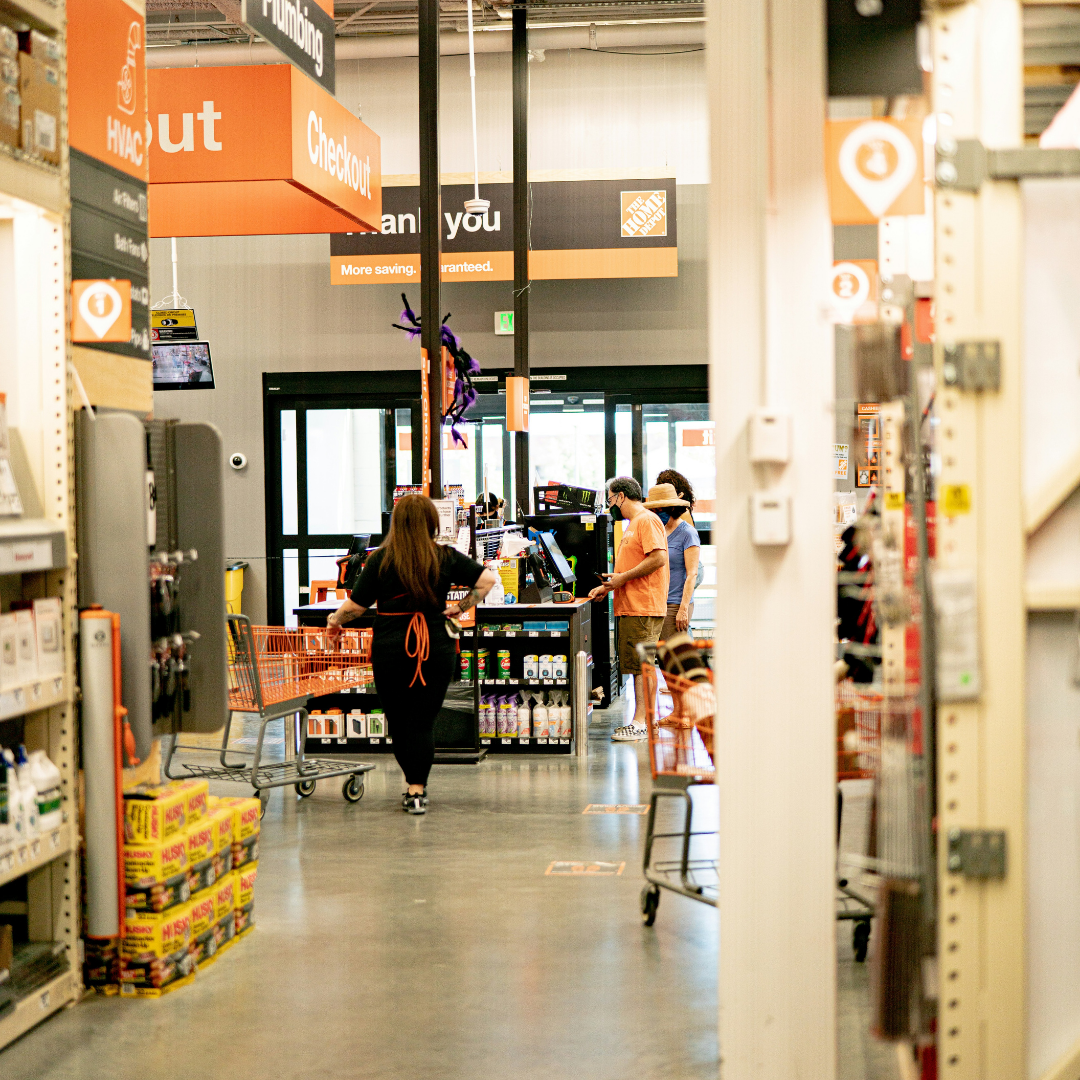
RFID Retail Management
RFID (Radio Frequency Identification) technology has transformative effects on retail management, offering increased efficiency, accuracy, and customer satisfaction.
Inventory Management: RFID tags are attached to individual items or pallets, enabling retailers to track inventory levels in real-time. With RFID readers installed at various points in the store, inventory counts are automated, allowing for accurate and frequent updates. This reduces stockouts, overstocking, and the need for manual inventory checks.
Stock Replenishment: RFID facilitates automated stock replenishment by alerting store staff when inventory levels fall below predefined thresholds. This ensures shelves are consistently stocked with popular items, improving customer satisfaction and sales.
Shrinkage Reduction: RFID technology helps retailers combat theft, errors, and fraud by providing accurate and timely information about inventory movements. By identifying discrepancies between expected and actual inventory levels, RFID helps mitigate shrinkage and loss prevention efforts.
Product Visibility: RFID enables retailers to enhance product visibility and availability across all sales channels. By accurately tracking inventory levels, retailers can fulfill customer orders from multiple locations, including warehouses, stores, and distribution centers, optimizing inventory utilization and reducing out-of-stocks.
Omni-channel Fulfillment: RFID supports omni-channel retailing by enabling seamless integration between online and offline sales channels. With RFID-enabled inventory visibility, retailers can offer click-and-collect, ship-from-store, and in-store pickup options, providing customers with greater flexibility and convenience.
Product Authentication: RFID tags can be used to authenticate products and prevent counterfeiting. By embedding unique identifiers and authentication features in RFID tags, retailers can verify product authenticity and ensure customers are purchasing genuine merchandise.
Customer Experience: RFID enhances the overall shopping experience by reducing checkout times, minimizing stockouts, and improving product availability. With RFID-enabled self-checkout and mobile checkout solutions, customers can enjoy faster and more convenient shopping experiences.
Promotional Efficiency: RFID enables retailers to track the effectiveness of promotions and marketing campaigns by monitoring inventory movements and sales in real-time. This data-driven approach allows retailers to optimize promotional strategies, allocate resources effectively, and maximize ROI.
Supply Chain Collaboration: RFID fosters collaboration between retailers and their suppliers by providing visibility into inventory levels and demand signals. By sharing RFID data with suppliers, retailers can optimize inventory replenishment, reduce lead times, and improve supply chain efficiency.
Data Analytics and Insights: RFID-generated data is analyzed to gain insights into customer behavior, product preferences, and operational performance. By leveraging RFID data analytics, retailers can make informed decisions, identify opportunities for improvement, and drive business growth.
Overall, RFID technology revolutionizes retail management by optimizing inventory operations, enhancing customer experiences, and enabling data-driven decision-making. With its ability to provide real-time visibility and automation, RFID helps retailers stay competitive in today's dynamic retail landscape.