
Food Track and Trace
Food track and trace solutions are technological systems used to monitor and trace the movement of food products
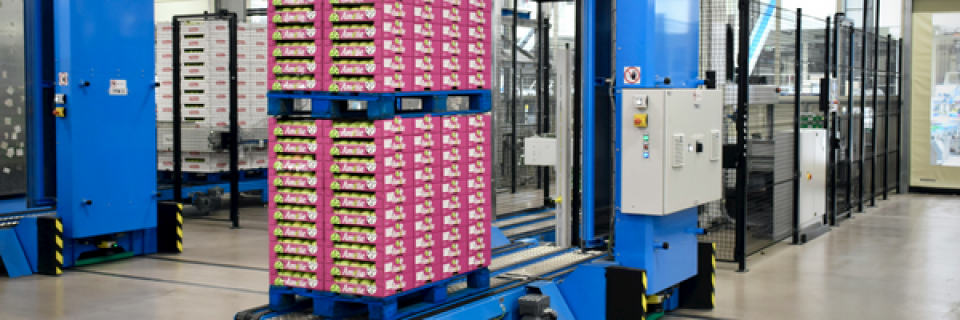 Databar Food track and trace solutions refer to technologies and systems used to monitor and trace the movement of food products throughout the supply chain, from production to consumption. Our solutions are crucial for ensuring food safety, quality control, and regulatory compliance. They help to identify the source of contamination or quality issues, minimize foodborne illnesses, reduce food waste, and improve overall supply chain efficiency.
Barcode and RFID Technology: Barcodes and radio-frequency identification (RFID) tags are commonly used to label individual food items or packaging with unique identifiers. These identifiers can be scanned at various points along the supply chain to track the movement and location of products.
Data Capture and Management Systems: Software platforms are used to capture, store, and manage data related to food products, including information about their origin, production, transportation, and storage conditions. These systems often include databases, cloud-based platforms, and analytics tools for real-time monitoring and analysis.
Blockchain Technology: Blockchain is increasingly being used in food traceability systems to create an immutable record of transactions and movements within the supply chain. Each transaction or transfer of ownership is recorded in a decentralized ledger, providing transparency and accountability.
Integration with IoT Devices: Internet of Things (IoT) devices such as temperature sensors, humidity monitors, and GPS trackers are integrated into food packaging or storage containers to monitor environmental conditions and track the location of products in real-time.
Mobile Applications and Consumer Engagement: Some food track and trace solutions include mobile applications that allow consumers to scan product labels or packaging to access information about the product's origin, ingredients, and production methods. This helps to increase transparency and build consumer trust.
Regulatory Compliance and Certification: Food track and trace solutions often include features to ensure compliance with food safety regulations and industry standards. This may involve obtaining certifications such as HACCP (Hazard Analysis and Critical Control Points) or implementing systems to track the source of ingredients and verify their quality.
Supplier Collaboration and Supply Chain Visibility: These solutions facilitate collaboration between suppliers, manufacturers, distributors, and retailers by providing visibility into the entire supply chain. This enables stakeholders to quickly identify and address issues such as product recalls or shortages.
Overall, food track and trace solutions play a critical role in ensuring the safety, quality, and integrity of the global food supply chain. They help to mitigate risks, improve efficiency, and enhance consumer confidence in the products they purchase.